
Watching your furry friend scratch nonstop can be hard for any pet parent. A quick ear rub here and there is nothing to worry about, but when the licking, biting, and pawing never seem to end, it’s usually more than just a habit. From fleas to allergies, there are plenty of reasons behind the itch. Let’s break down what might be going on and how you can make your pup more comfortable.

This guide explains itchy skin in dogs, shares safe remedies, and notes when to visit a veterinarian. With clear advice and care, you can ease your dog’s discomfort. Here’s what you need to know to address their itching.
Explore causes of dog scratching, from fleas to stress, with expert tips on remedies and when to consult a veterinarian for itchy skin relief.

Scratching in dogs often comes from common issues, with fleas leading the list. Flea allergy dermatitis causes severe dog itching from a single bite, often near the tail or scent glands, where ticks can also hide. Checking for black specks (flea dirt) or red bumps is the first step to treating early skin disease and finding the underlying cause.
Seasonal allergies, caused by pollen or dust mites, are among the most common causes for dogs itching with no fleas. Breeds like Golden Retrievers may show paw licking, belly rashes, or ear rubbing, affecting 20% of dogs by age 3, per the American Kennel Club. These underlying irritants can make spring or fall uncomfortable for your pup and other pets.

Food allergies creep up slowly, with proteins like chicken, beef, or dairy causing persistent itchy skin in dogs. A 2023 Veterinary Dermatology study found 10-15% of dogs face these sensitivities, often with tummy upset or ear infections. If your dog constantly scratches and bites himself, a vet-guided elimination diet can pinpoint the trigger.
Hypoallergenic kibble tackles skin problems from within. This approach soothes ongoing dog itching and restores comfort.
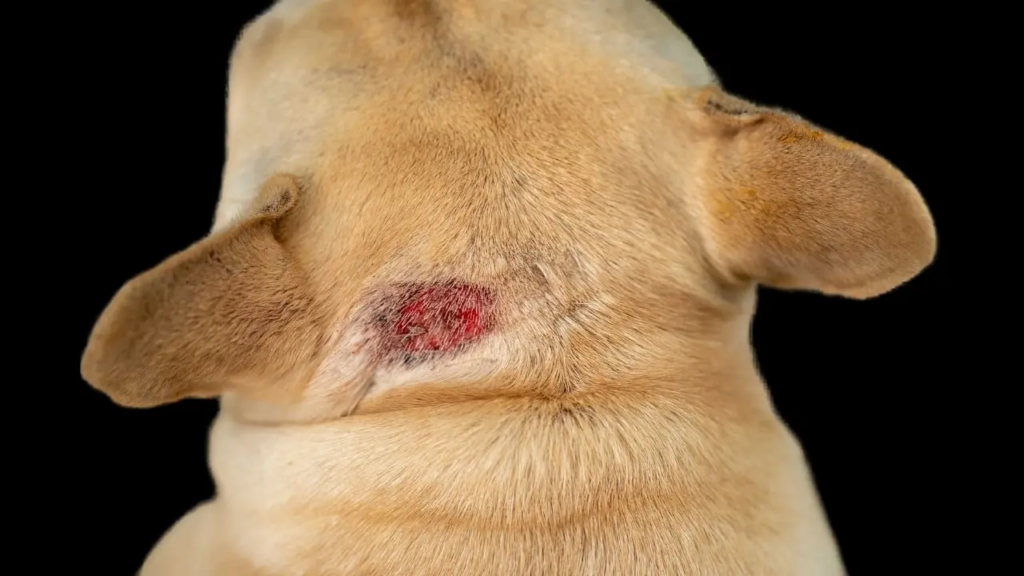
When dog scratching breaks the skin, bacterial or fungal infections develop, worsening skin disease with greasy patches, odour, or open sores. Treating skin disease requires veterinary care, often with antibiotics or antifungals for effective treatment. The first step is a thorough physical examination to identify the cause.
For example, a Bulldog’s skin folds are prone to infections if scratching behavior goes unchecked. Consult your veterinarian promptly to recommend treatment that prevents painful hot spots. This approach stops itchiness from escalating.

Yeast infections flourish in warm spots like ears, paws, or skin folds, driving dogs to scratch ears or lick paws nonstop. A musty odour or brownish residue, especially if your dog keeps itching his ear at night, points to yeast. Vet-prescribed antifungal drops, like Zymox Enzymatic Solution, clear these fast.
Allergies often spark yeast flare-ups. Regular ear cleaning prevents recurrence.
Dog itching isn’t always about skin stress. Separation anxiety or boredom may lead dogs to dig at carpets, beds, or themselves, resembling itchy skin. If scratching increases when you’re away, mental stimulation like Kong toys can redirect this behavior.
Calming aids or training help reduce anxiety-driven scratching. Noticing patterns early makes a big difference.
Cold air, harsh soaps, or household sprays strip oils, causing flaky skin that fuels scratching in dogs. Dogs dig at rugs or grass to soothe hard-to-reach itches, often from dry skin or irritants like detergents. A dog shampoo for sensitive skin restores moisture and calms irritation.
Wiping paws after walks clears pollen or dirt. These steps keep flare-ups at bay.
A little scratching is fine, but extreme dog itching demands action. If scratching disrupts sleep, causes hair loss, open sores, or hot spots, see a vet immediately. Persistent itching with ear pain or head shaking, even after flea treatment, needs professional attention.
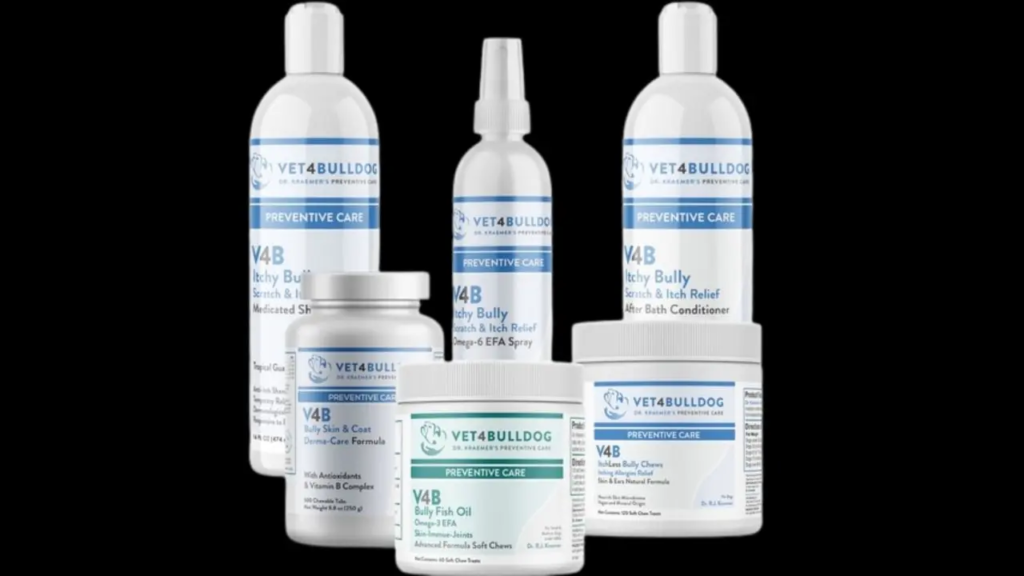
Vets may use skin scrapings to diagnose mites, bacteria, or yeast. Up to 80% of chronic itch cases develop secondary infections if ignored, so don’t wait.
Most home remedies for itchy dog skin offer quick comfort while you seek veterinary care for the underlying cause of skin disease. Grind plain oats into a paste for a 10-minute bath to treat inflammation and flaky skin—a key benefit for irritated pups. Diluted apple cider vinegar (1:1 with water) sprays can help tackle mild yeast issues, but it’s best to avoid broken skin.
Coconut oil moisturizes dry patches—use sparingly to prevent greasiness. These remedies are temporary; a veterinarian can recommend treatment for lasting relief. Always consult a pro for persistent skin disease issues.
Regular grooming stops dog scratching by clearing allergens and dirt. Brush weekly with a tool like the Furminator to spread natural oils, keeping your dog’s coat healthy. Use hypoallergenic shampoos and trim nails to prevent sores from scratching.
Wipe paws post-walk to remove irritants like pollen. A 2025 pet care trend—probiotic grooming sprays like Petkin—balances skin bacteria, reducing itch risks.
Max, a 3-year-old Golden Retriever, was always scratching his belly with his hind legs, leaving raw patches. After ruling out fleas, his vet traced it to a chicken allergy—a salmon-based diet and weekly oatmeal baths cut his itching by 80% in weeks. This shows how diet and grooming team up for relief.
| Cause | Symptoms | Solutions |
|---|---|---|
| Fleas & Parasites | Red bumps, flea dirt, tail biting | Bravecto chews, flea combs, medicated baths |
| Seasonal Allergies | Paw licking, belly rash, ear rubbing | Antihistamines, paw wipes, allergy shots |
| Food Allergies | Ongoing itch, ear infections, tummy upset | Hypoallergenic kibble, elimination diet |
| Skin Infections | Greasy patches, odor, open sores | Antibiotics, antifungal shampoos |
| Yeast Infections | Musty paw odor, ear scratching | Zymox drops, Vetericyn sprays |
| Dry Skin/Irritants | Flaky skin, dull coat | Earthbath shampoo, remove household triggers |
| Anxiety/Behavior | Scratching when alone, carpet digging | Kong toys, Zesty Paws calming chews |
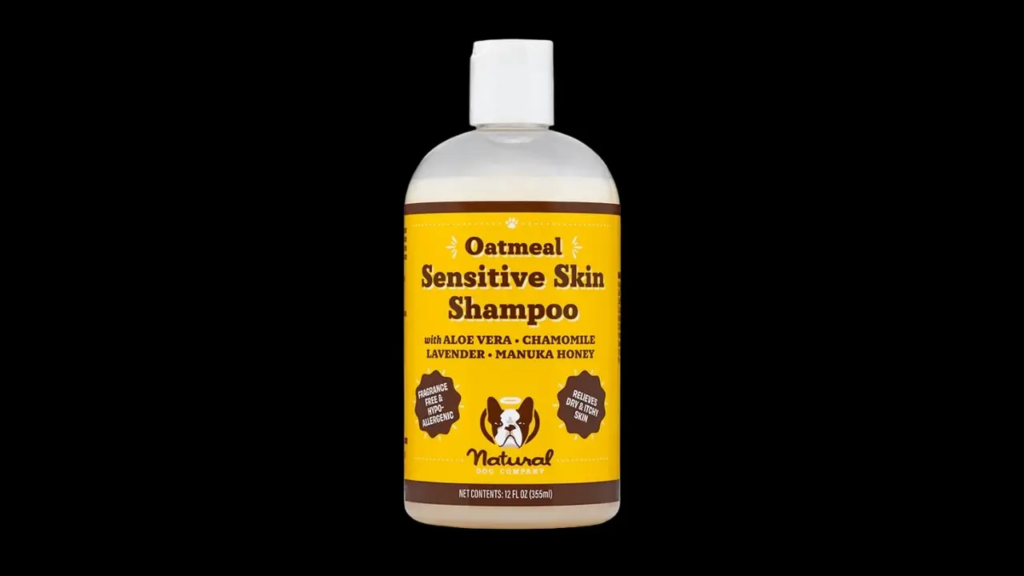
Earth Bath’s dog shampoo for sensitive skin uses oatmeal and aloe to calm dry, itchy skin, ideal for mild allergies or irritants.
Pros:
Eco-friendly
Tear-free
Budget-friendly ($12-15)
Cons:
Not for fungal infections
Scent fades quickly
Use weekly for a glossy, itch-free coat. Pet parents love it for breeds like Golden Retrievers with skin problems.
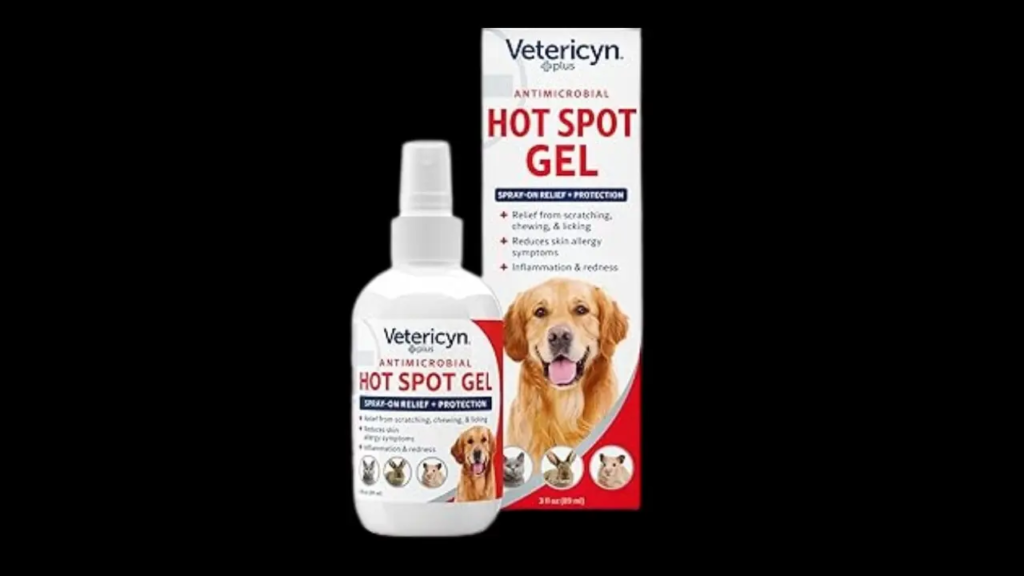
This antimicrobial spray soothes hot spots, easing itchy skin on dogs in 24-48 hours with hypochlorous acid.
Pros:
Non-toxic
Lick-safe
Quick-drying ($18-22)
Cons:
Small bottle
Severe cases need vet meds
Apply twice daily to red patches. It’s perfect for summer flare-ups or minor scratched areas.
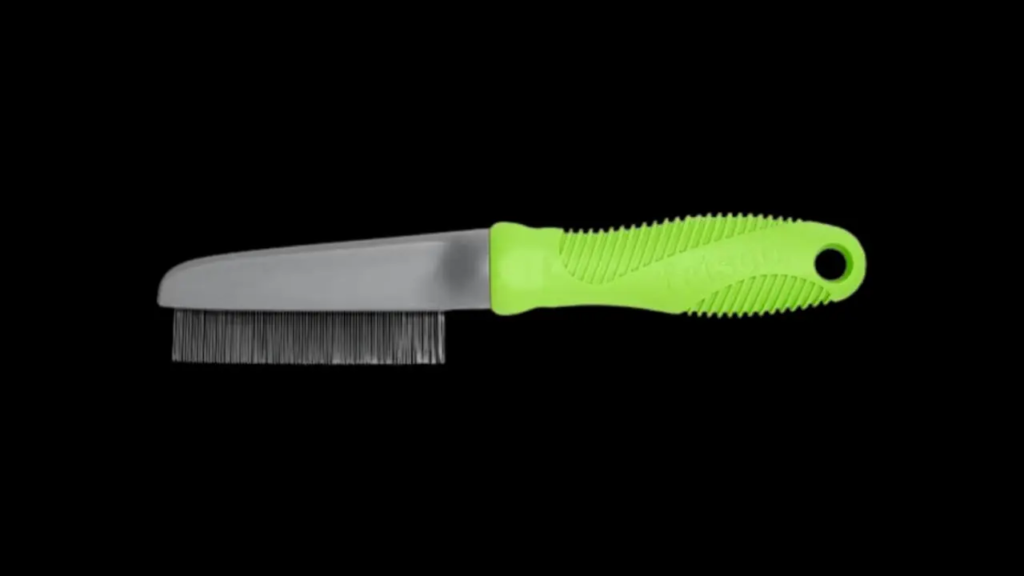
This kit helps find fleas early and stops reinfestation for 8 months, addressing cases of dog itching with no fleas.
Pros:
Affordable ($15-25)
Safe for puppies
Proactive
Cons:
Collars may irritate some dogs
Comb requires regular use
Run the comb weekly over a white towel to check for specks. It’s essential for handling hidden parasites.
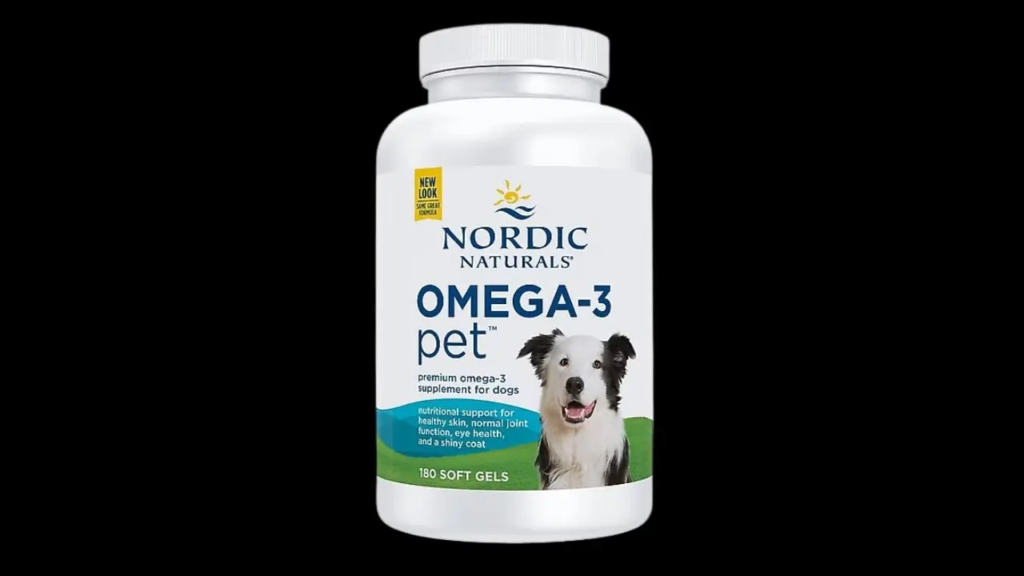
Omega-3s reduce inflammation from skin allergies, which can boost your dog’s coat over 4-6 weeks.
Pros:
High-potency
Vet-recommended
Easy to dose ($25/month)
Cons:
Slow results
Possible fishy smell
Hide one gel in food daily. It’s great for dogs constantly scratching due to food allergies.

These chews curb stress-driven scratching with chamomile and L-theanine, calming dogs in 30 minutes.
Pros:
Tasty
Non-drowsy
Behavior support ($20-30)
Cons:
Not for medical itches
Effects vary
Give Zesty Paws Calming Bites before alone time to stop carpet digging. Ideal for anxiety-prone pups.
Nail scratch boards, like the Scratch Pad, wear down sharp nails, reducing damage from scratching. They’re great for dogs who dislike clippers but need regular use. Pair with grooming to keep skin safe.
New foods can trigger temporary sensitivities, especially in breeds like Bulldogs. Transition slowly over 7-10 days and monitor for ear infections or paw licking. A vet can adjust the diet if itching persists.
Breeds like Golden Retrievers and Bulldogs face higher risks of skin allergies, per the American Kennel Club. Regular grooming and omega-3s help manage their sensitive skin. Check with a vet for breed-specific plans.
Dog Scratching can come from many things — fleas, skin allergies, yeast infections, or stress. Catching the problem early keeps your pup more comfortable. With regular grooming, simple home remedies, and timely trips to the vet, you can help maintain an itch-free dog’s coat. As a devoted pet parent, exploring these options shows you’re doing what really matters for your dog’s health.
Struggling with your dog’s constant itching? All4FIDO offers vet-approved tools like soothing shampoos and calming chews to ease dog scratching. Visit All4FIDO.com today to bring relief and restore your pup’s playful spark.